Treatments &
Techniques
Deep Tissue Massage
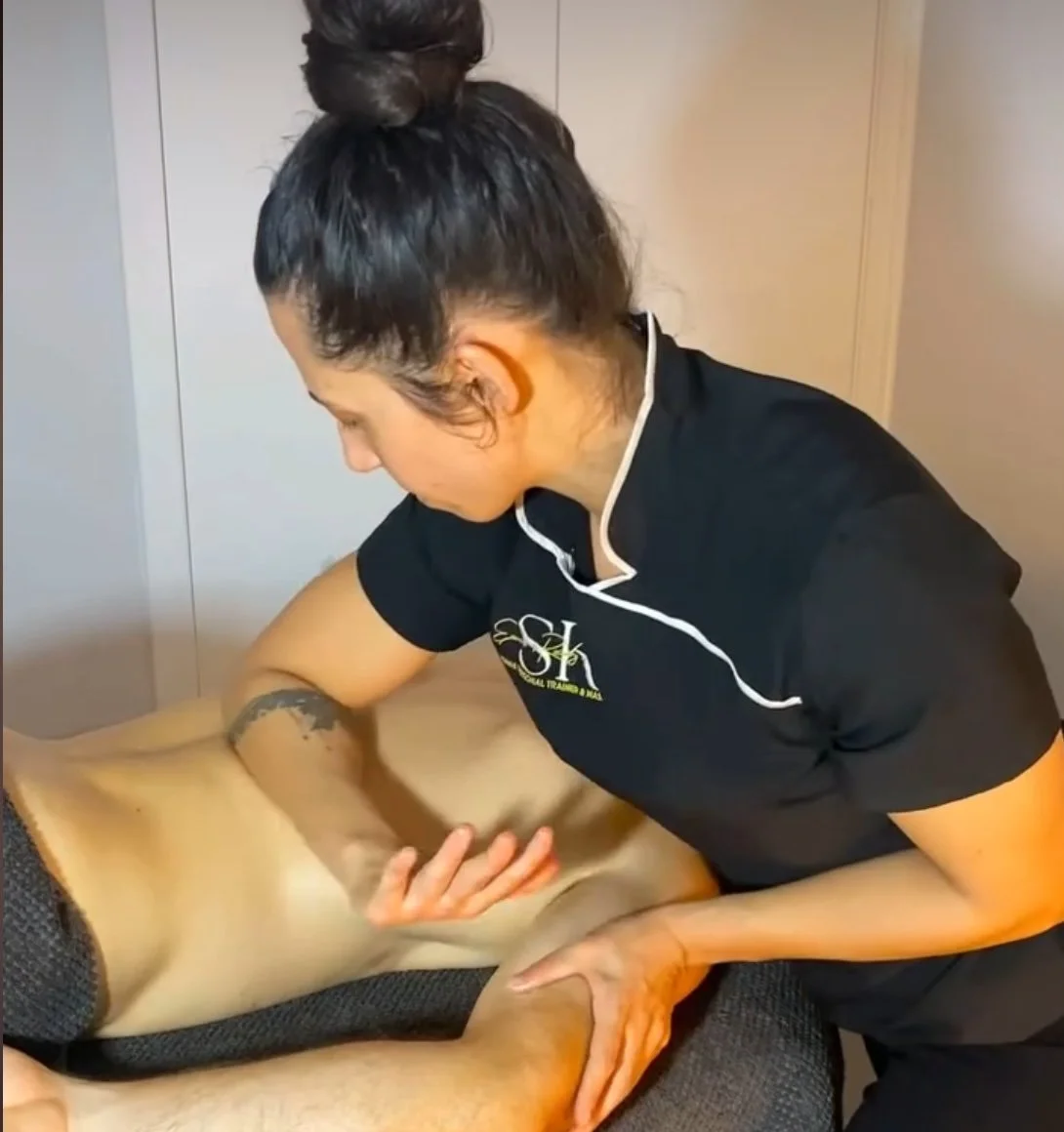
Deep tissue massage is usually slower and firmer when compared to other forms of massage therapy. It involves working on the deep layers of tissue in the body, including the fascia.
During the massage deep pressure is applied to targeted areas of the body. The depth of pressure is beneficial as it helps stimulate blood flow and relieve muscle tension. Deep tissue helps with specific areas of concern such as muscle injuries or muscular tension.
Additionally, deep tissue massages are utilised to help break up newly forming scar tissue after trauma. Massage has been shown to help reduce inflammation and muscle spasms by calming the nervous systems automatic stress response.
Trigger Point Therapy
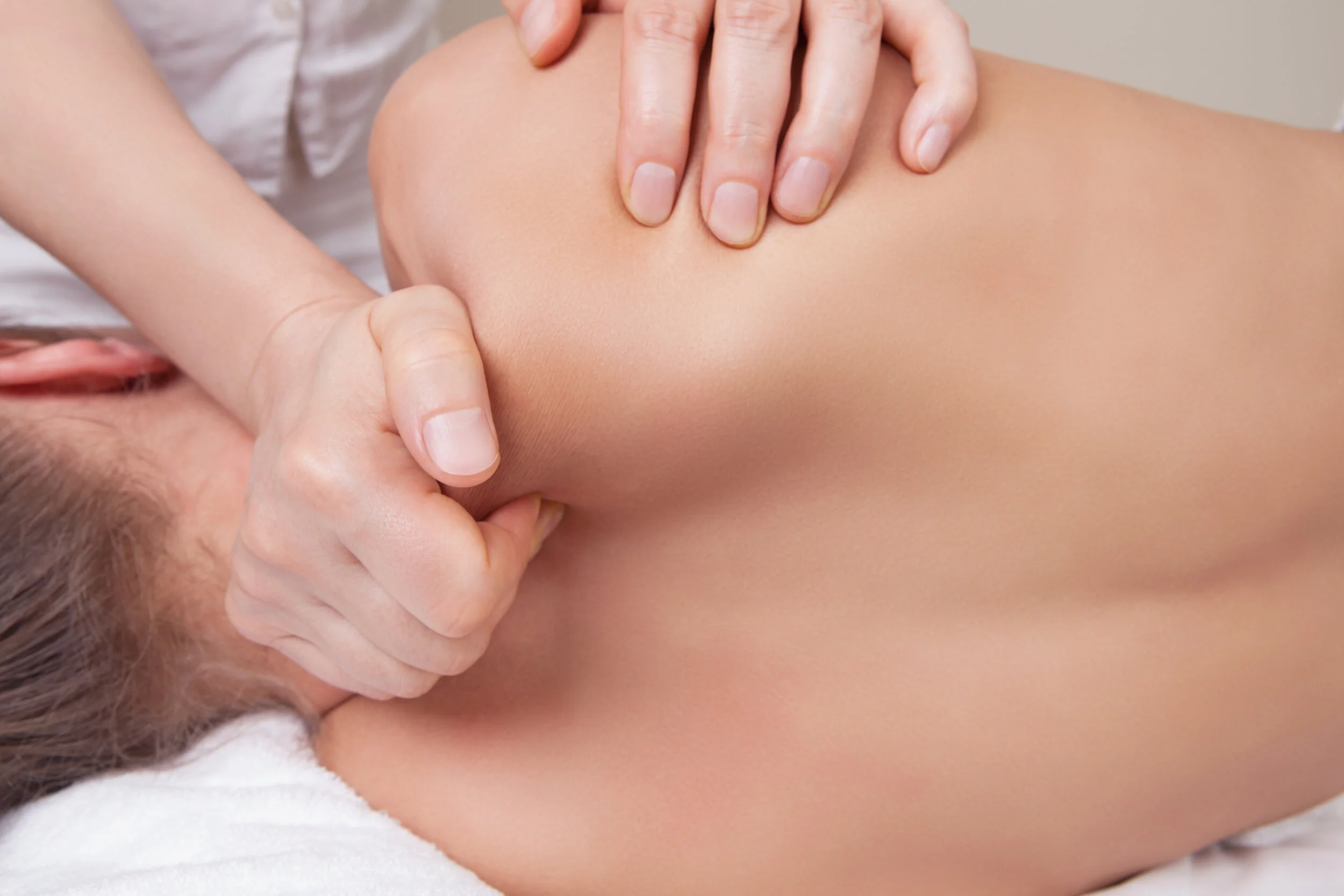
A Trigger Point is a hyper-irritable area within a muscle and/or its fascia. The area is painful on compression and can evoke characteristic referred pain. To help treat trigger points and their referred pain, applying pressure to the point is necessary in breaking the spasm and pain, allowing that muscle to relax and lengthen. Referred pain patterns are not uncommon, which can shoot many inches up or down the body.
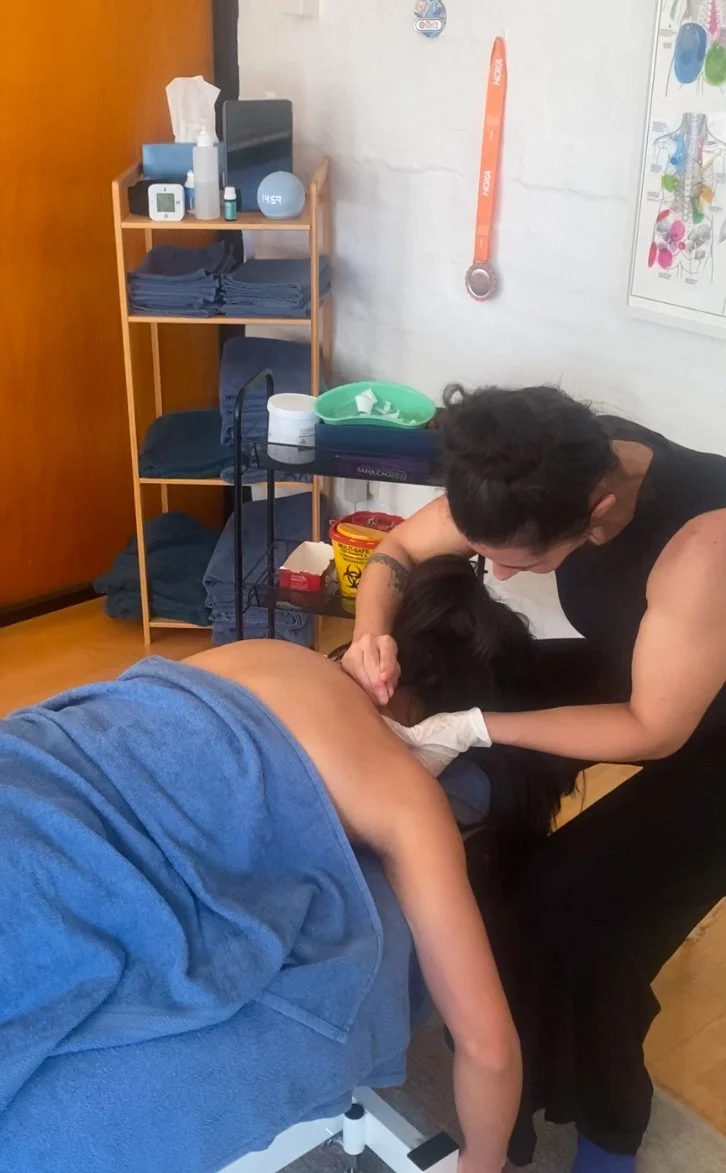
Dry Needling (where appropriate)
Uses acupuncture like needles into the trigger points of tight muscles, with the aim to generate a ‘twitch response’ in the muscle. This in turn releasing the trigger point and relaxing the muscle.

Sports Massage
Perfect preparation to focus on any of the muscle groups you will be using in the lead up, during or after a specific event. A sports massage could help to limit muscle soreness, decrease the chance of an injury and shorten recovery time.
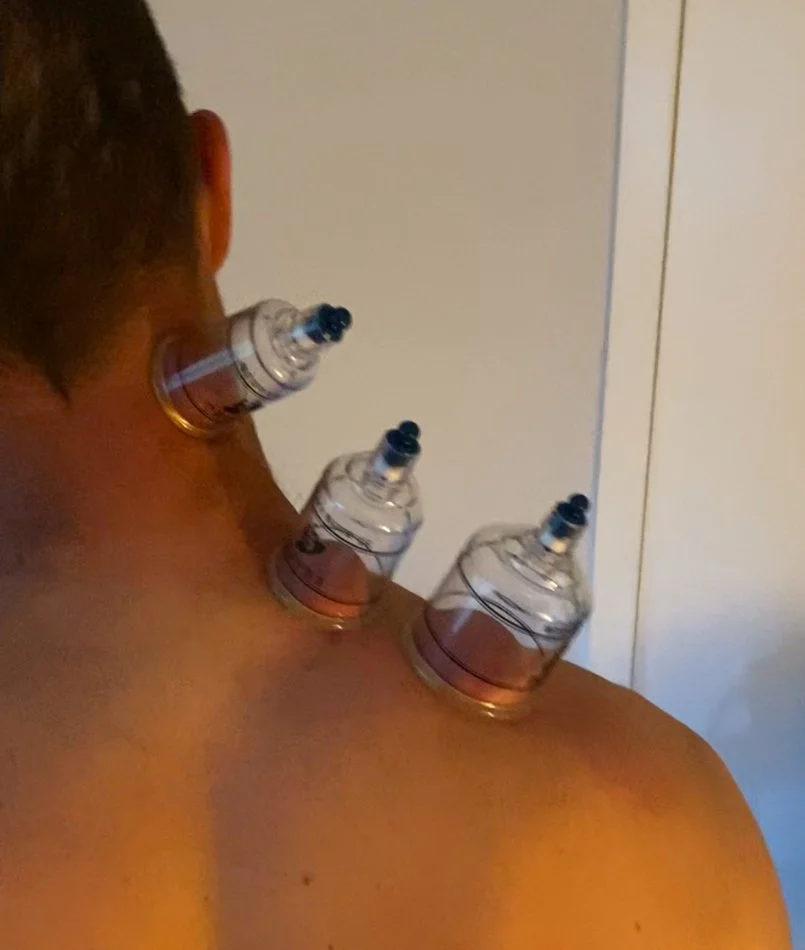
Myofascial Cupping (where appropriate)
Using the negative pressure within the cups to pull the skin, fascia and muscle via a vacuum pump. While the cups are still engaged, using a sliding motion following the fascial lines of our body allows for a deep stretch of the muscles, as well as a regeneration of blood to the affecting areas. A perfect tool for office workers or gym goers.
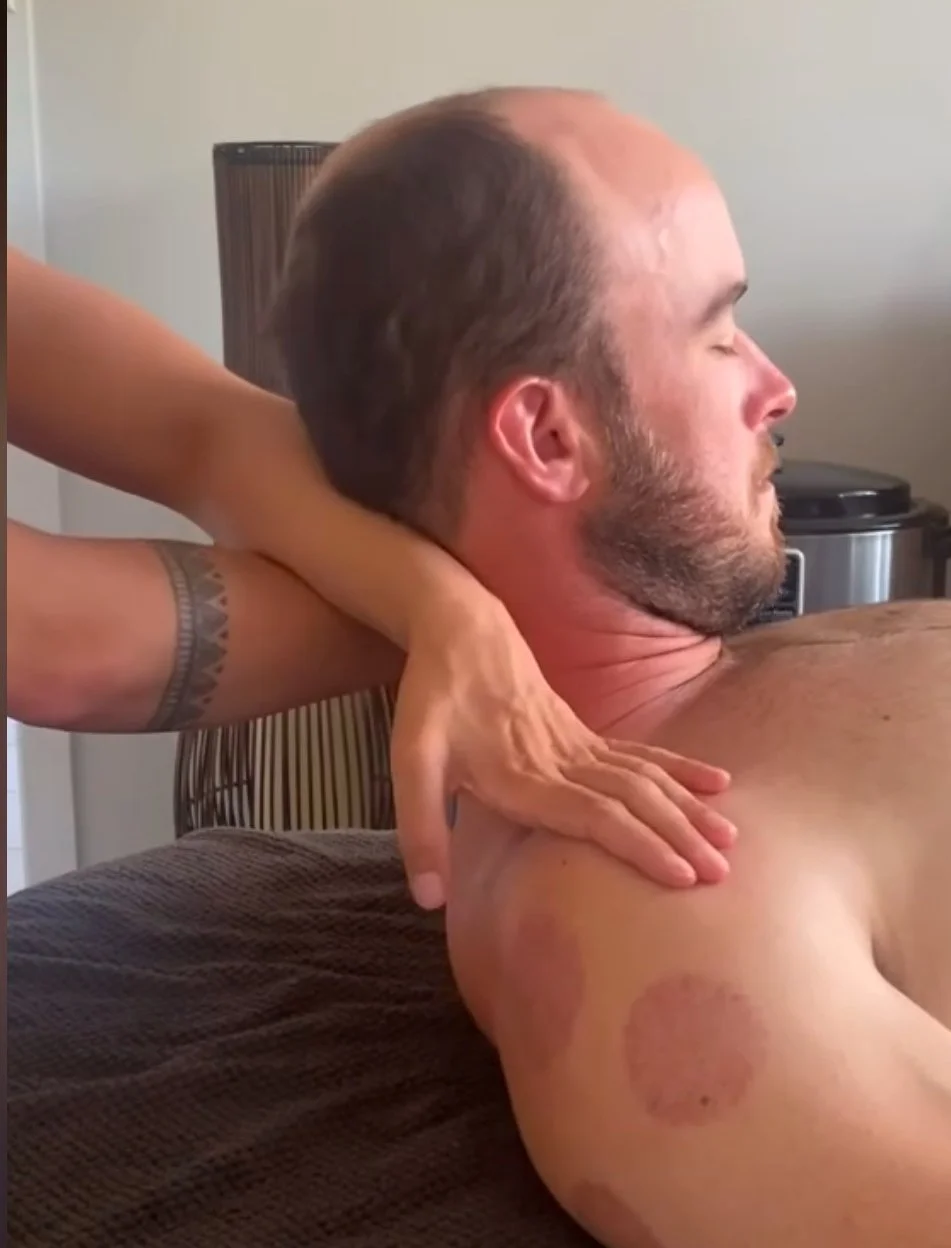
Assisted Stretching
Combining assisted stretching with Proprioceptive Neuromuscular Facilitation (PNF), we use targeted techniques to improve flexibility, mobility and muscle function.
Not every tight muscle needs more stretching. Muscles can feel restricted due to prolonged positioning, overloading or altered movement patterns. For example, sitting for extended periods can keep the glutes under sustained pressure and in a lengthened position, meaning additional stretching may not always be the best solution.
Our approach focuses on understanding why a muscle feels restricted and choosing the right technique for your body. The goal is to restore comfortable movement, improve flexibility and help you move more freely in everyday life and sport.
Additional Services
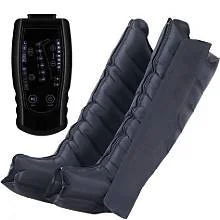
Compression Boot Therapy – Recovery & Circulation
Support your recovery with compression boot therapy, using intermittent pneumatic compression to apply controlled pressure to your legs through a sequence of inflatable air chambers.
The boots inflate and deflate in cycles, creating a wave-like compression that helps support blood circulation and the movement of fluid back towards the upper body.
This treatment can be beneficial for:
Muscle Recovery: Support recovery after intense training, running, gym sessions or competition.
Circulation: Encourage blood flow and support venous return from the lower limbs.
Fluid Movement: Assist lymphatic fluid movement and help reduce temporary fluid accumulation.
Leg Fatigue: Help relieve the sensation of heavy, tired or fatigued legs.
Athletes & Active Individuals: Support recovery between training sessions and sporting events.
Everyday Wellbeing: Benefit people who spend long hours standing, sitting or on their feet.
Whether you're an athlete managing a demanding training schedule or simply experiencing tired, heavy legs, compression boot therapy offers a relaxing addition to your recovery routine.
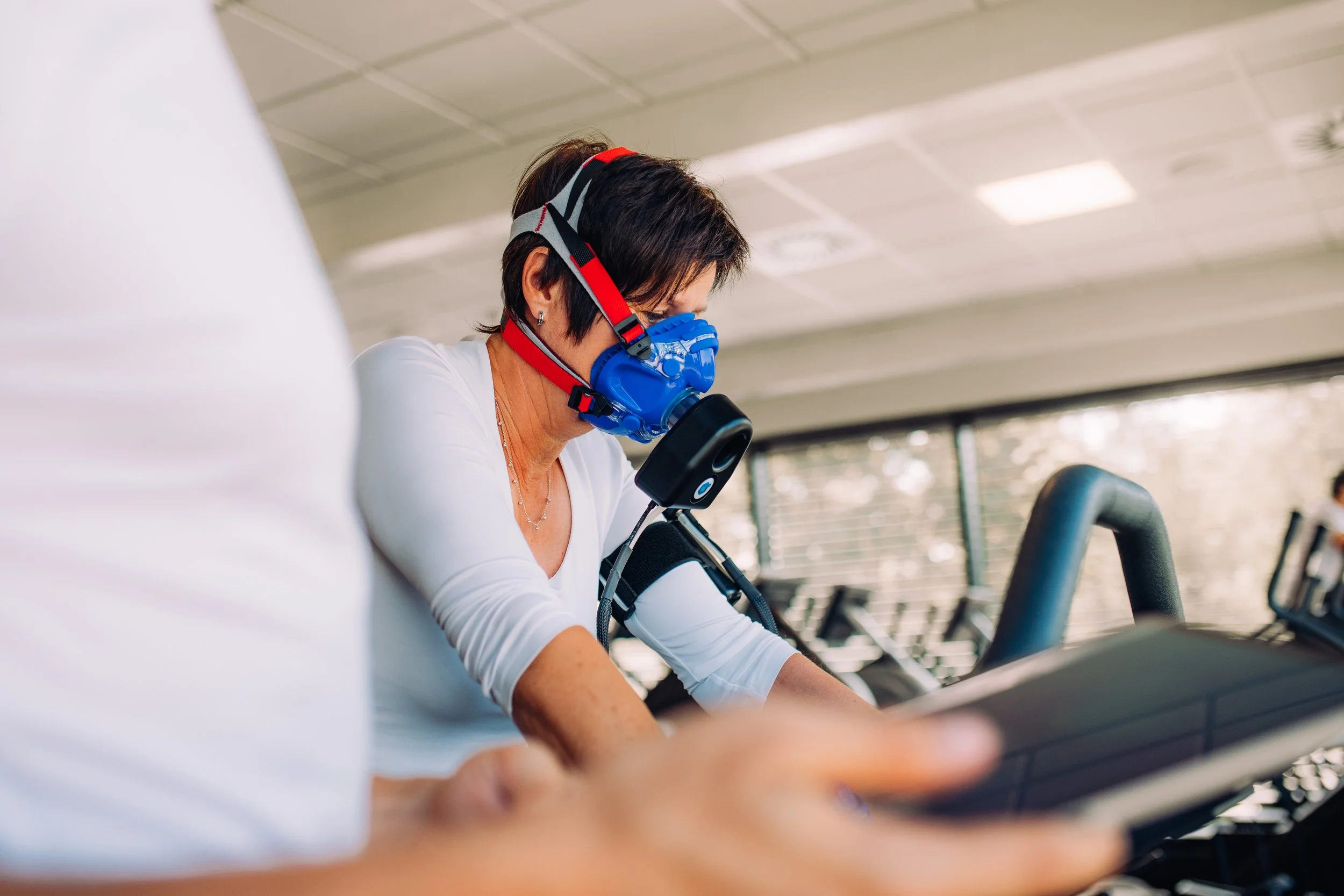
Metabolism Analysis – Resting Metabolic Rate (RMR)
Understand how your body produces and uses energy with our metabolic analysis and resting metabolic rate screening.
Using advanced breathing gas analysis, we measure the oxygen you consume and the carbon dioxide you produce while breathing. This allows us to assess how your body utilises energy at rest and whether it primarily burns fats or carbohydrates for fuel.
Your results provide valuable insights into:
Resting Metabolic Rate (RMR): How many calories your body burns at rest.
Fat vs. Carbohydrate Utilisation: Understand which fuel sources your body primarily uses for energy.
Metabolic Flexibility: Assess your body's ability to switch between burning fats and carbohydrates depending on energy demands.
Energy Expenditure: Gain a better understanding of your daily energy requirements.
Metabolic Insights: Use your results to support more informed decisions around nutrition, exercise and recovery.
Whether your goal is improving athletic performance, managing body composition or understanding your metabolism, this screening provides a personalised snapshot of how your body uses energy.
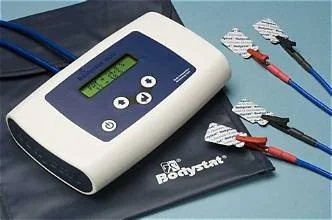
BIA Body Composition Scan – BodyStat
Gain a better understanding of your body composition with our BodyStat BIA (Bioelectrical Impedance Analysis) scan.
The scan works by sending a safe, low-level electrical current through your body, travelling from your feet to your hand. As the current passes through different tissues, the device measures electrical resistance (impedance) to estimate your body composition.
Because muscle contains more water and conducts electricity more easily than fat tissue, the measurements help estimate:
Muscle Mass: Track your muscle development and changes over time.
Body Fat: Monitor body fat percentage and fat mass.
Body Water: Assess total body water levels.
Body Composition: Understand how your body is changing beyond just the number on the scales.
Regular scans allow you to monitor progress, identify changes in muscle and fat mass, and make more informed decisions about your training, recovery and nutrition.